

Advice Before a Hair Transplant
What you should know before having a hair transplant.
A successful hair transplant starts before the day of surgery
A hair transplant is an important decision, and the result will accompany you for years. Taking the time to understand the process and make the right choices can make a major difference.
Here are the recommendations we share with our patients, based on more than 20 years of experience.
1. Always start with a diagnosis
This is the step that should never be skipped. Before considering a transplant, it is necessary to understand the cause of your hair loss and the condition of your scalp.
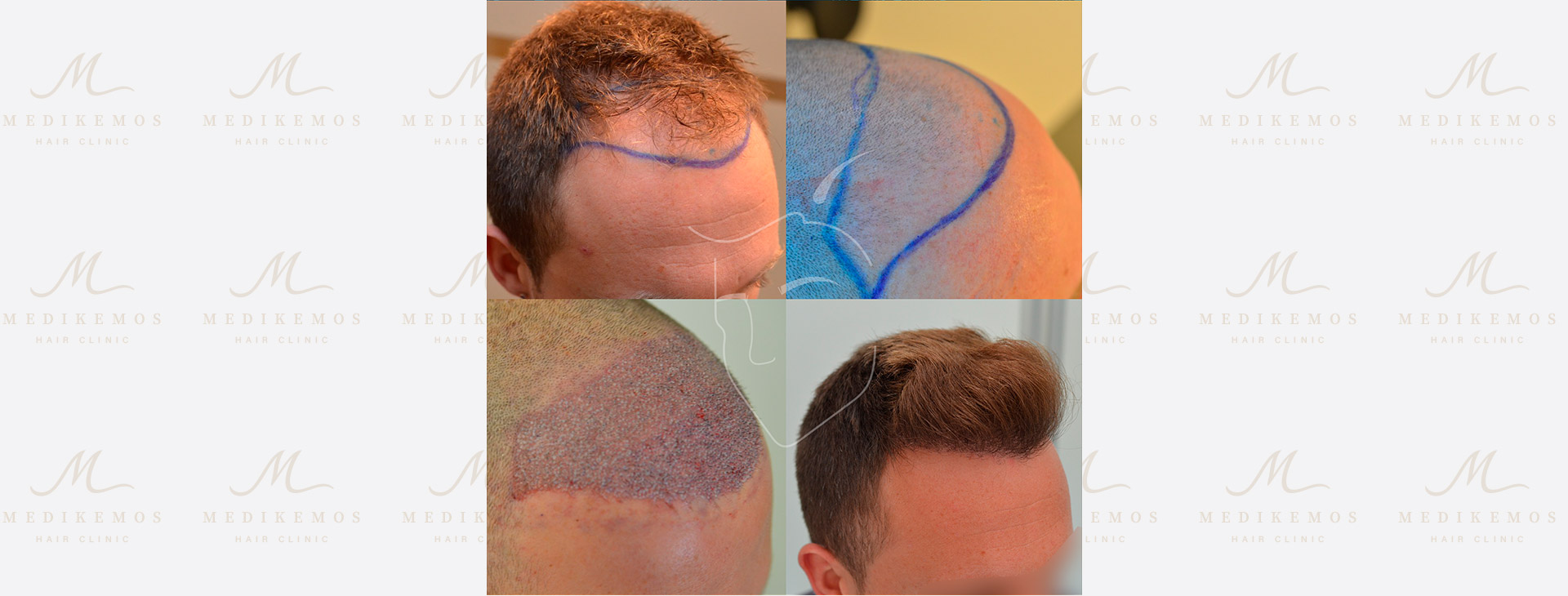
The diagnosis evaluates density, hair diameter and miniaturization, and helps determine feasibility, the most suitable technique and the number of grafts needed. Sometimes it shows that another solution may be preferable or complementary.
2. Keep realistic expectations
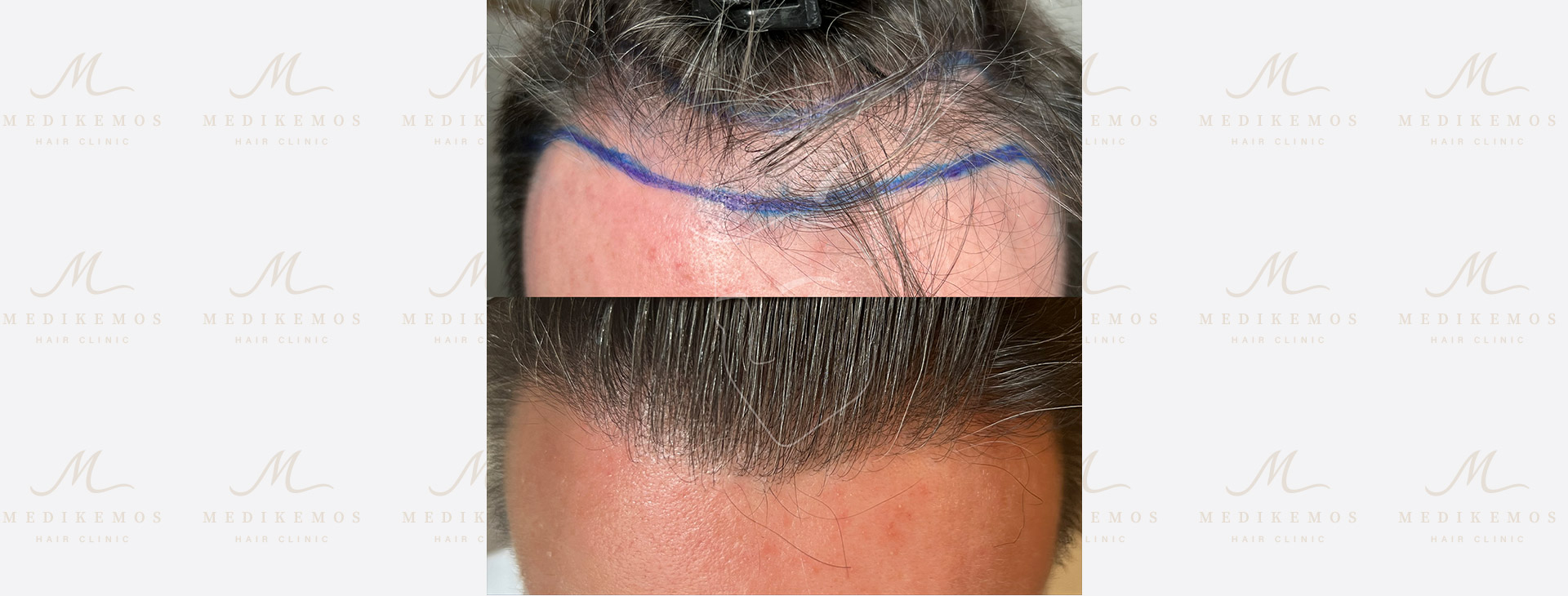
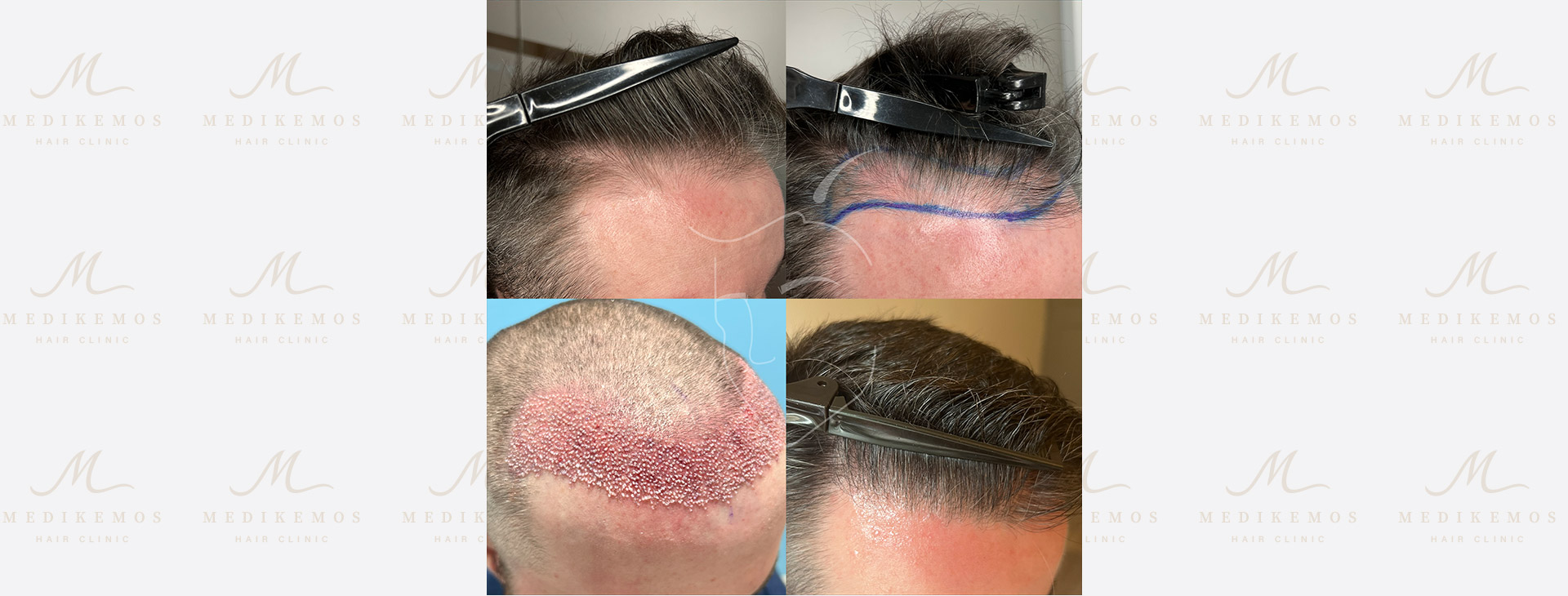
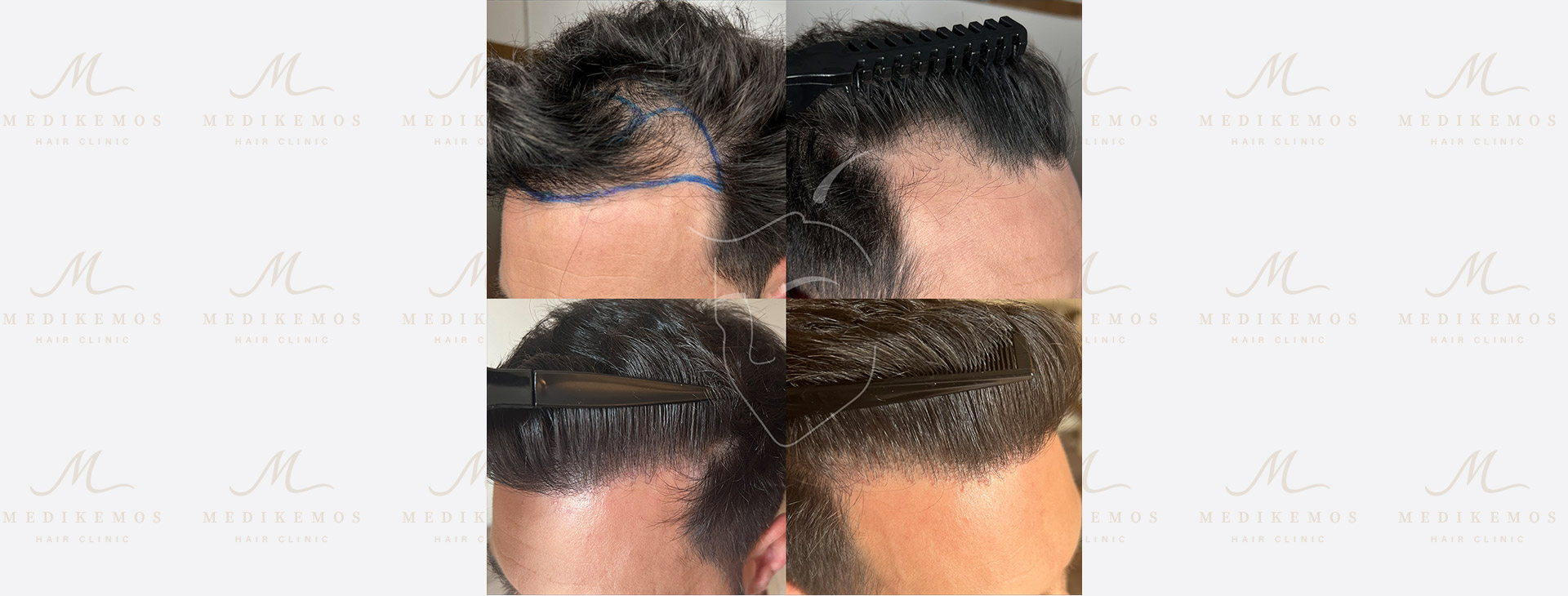
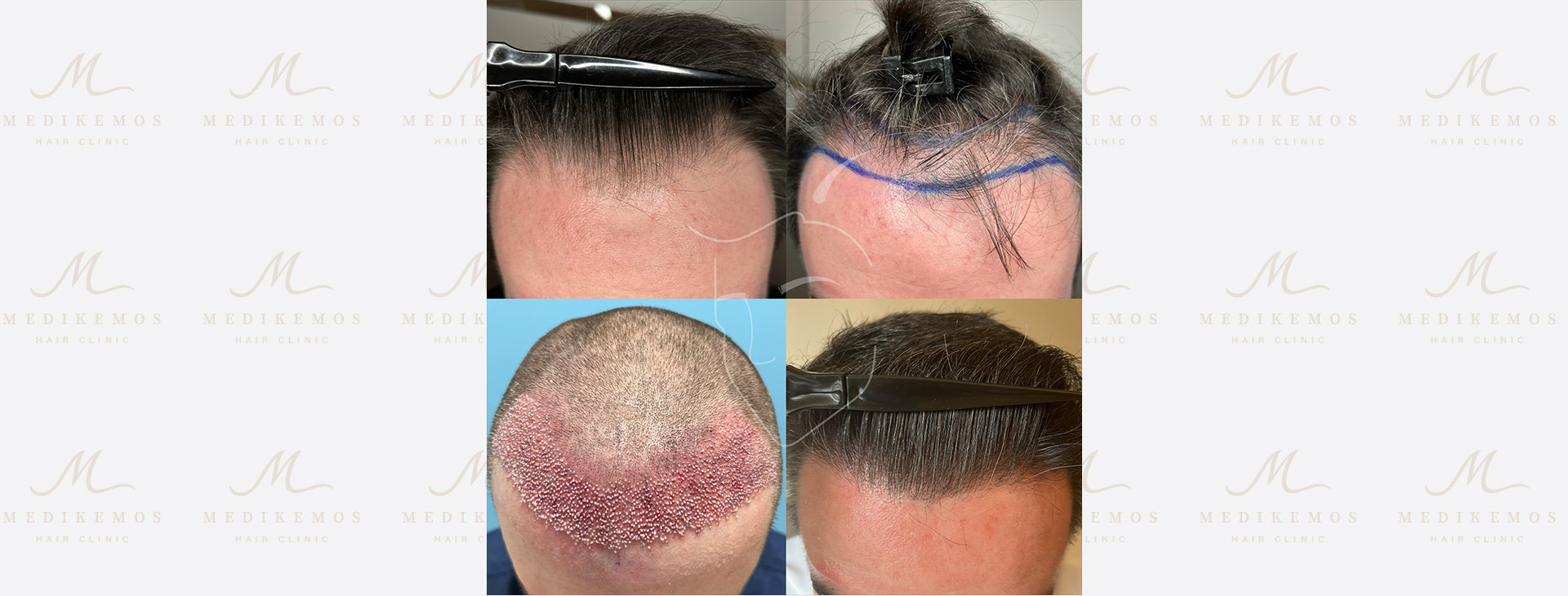
A hair transplant redistributes your hair capital. It does not multiply it. The objective is not teenage-level density, but a natural, harmonious result that fits your face.
A good practitioner will explain what is truly possible in your case and warn you against unrealistic promises.
3. Be careful with offers that seem too good
The lowest price is not always the best option. A hair transplant is a medical procedure, not a standard purchase.
Prioritize quality, safety and transparency. A serious estimate should be clear and established after a diagnosis.
4. Learn about expertise and medical standards
Who will perform the procedure, and with what experience? Does the facility follow medical standards? Is there a consultation before the procedure?
These questions are legitimate. You are entrusting your health and your image to a medical team, and you have the right to know who is taking care of you.
5. Ask the right questions during consultation
6. Think long term
Hair loss evolves over time. Good planning takes this future evolution into account so that your result remains coherent in five or ten years, not only after one year.
In some cases, complementary medical treatment may help preserve native hair.
7. Adopt healthy habits before the procedure
In the weeks before surgery, reducing tobacco and alcohol can support better healing. Good sleep and hydration are also helpful.
Precise instructions regarding medication, preparation and the day of the procedure will be provided during your pre-operative appointment.
8. Prepare for aftercare as much as for the procedure
Plan a few quiet days after the procedure and prepare for post-operative care.
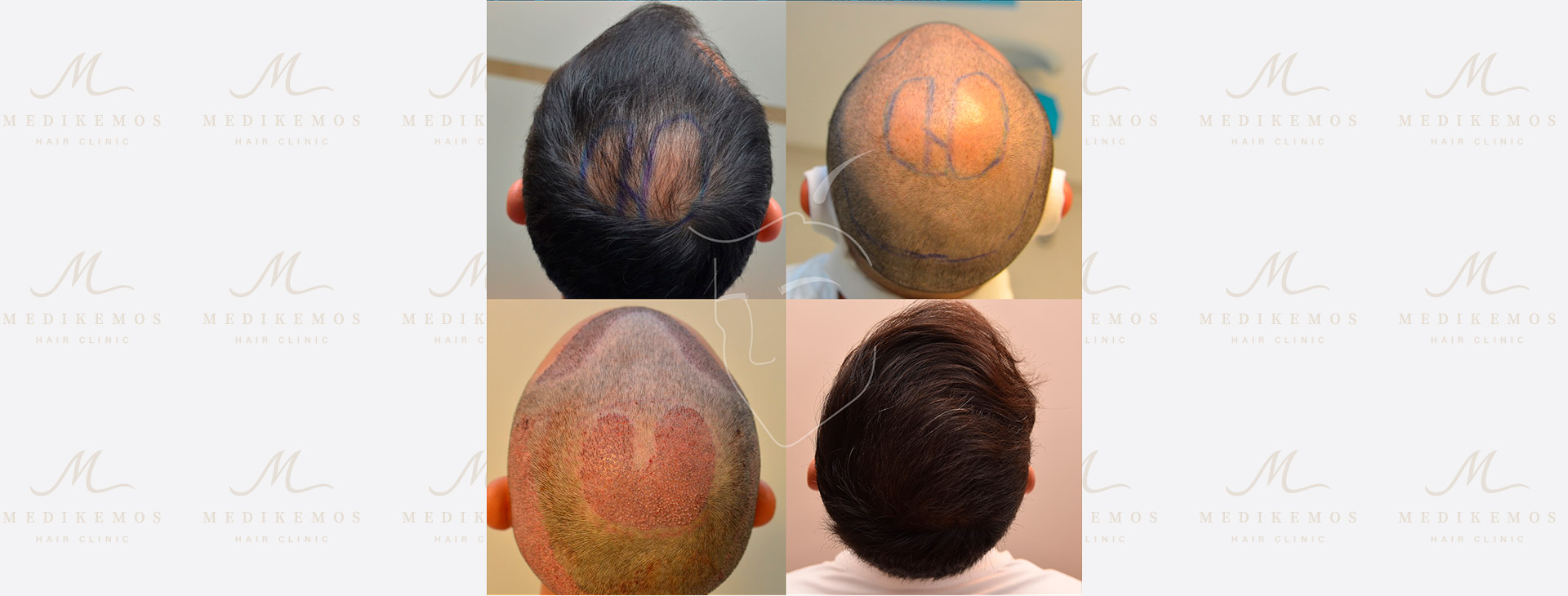
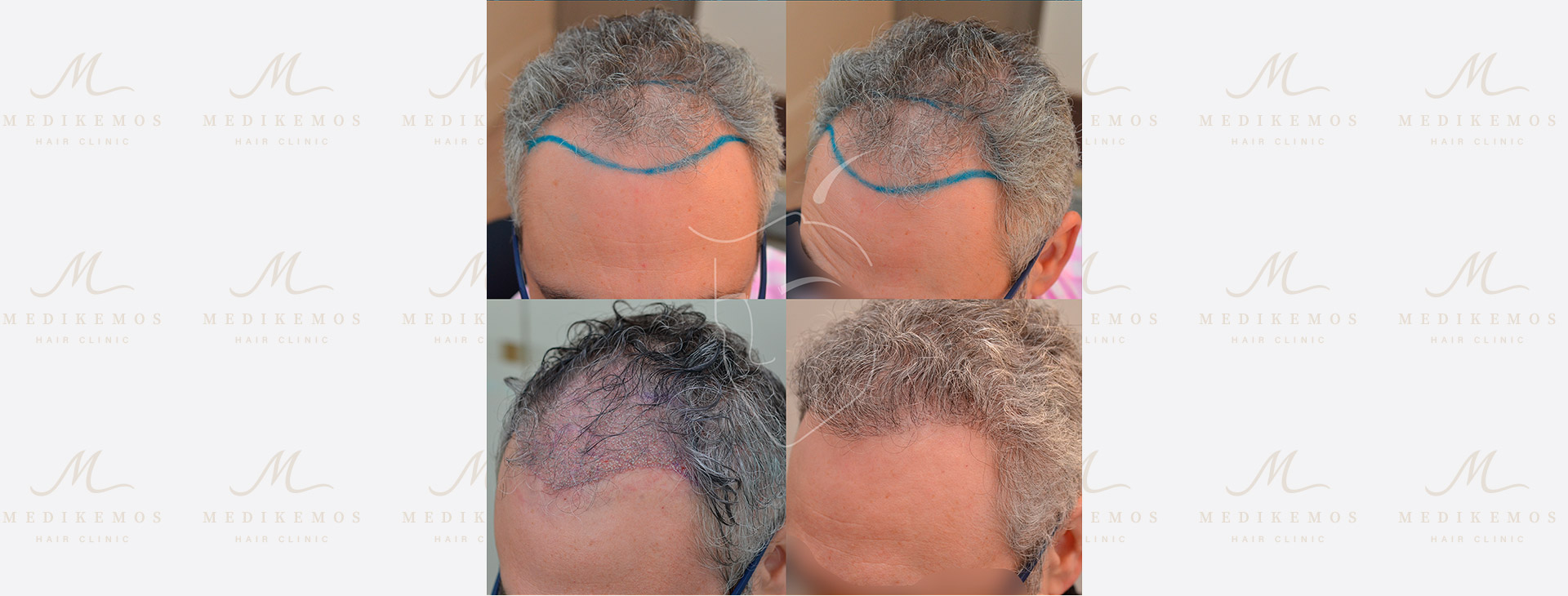
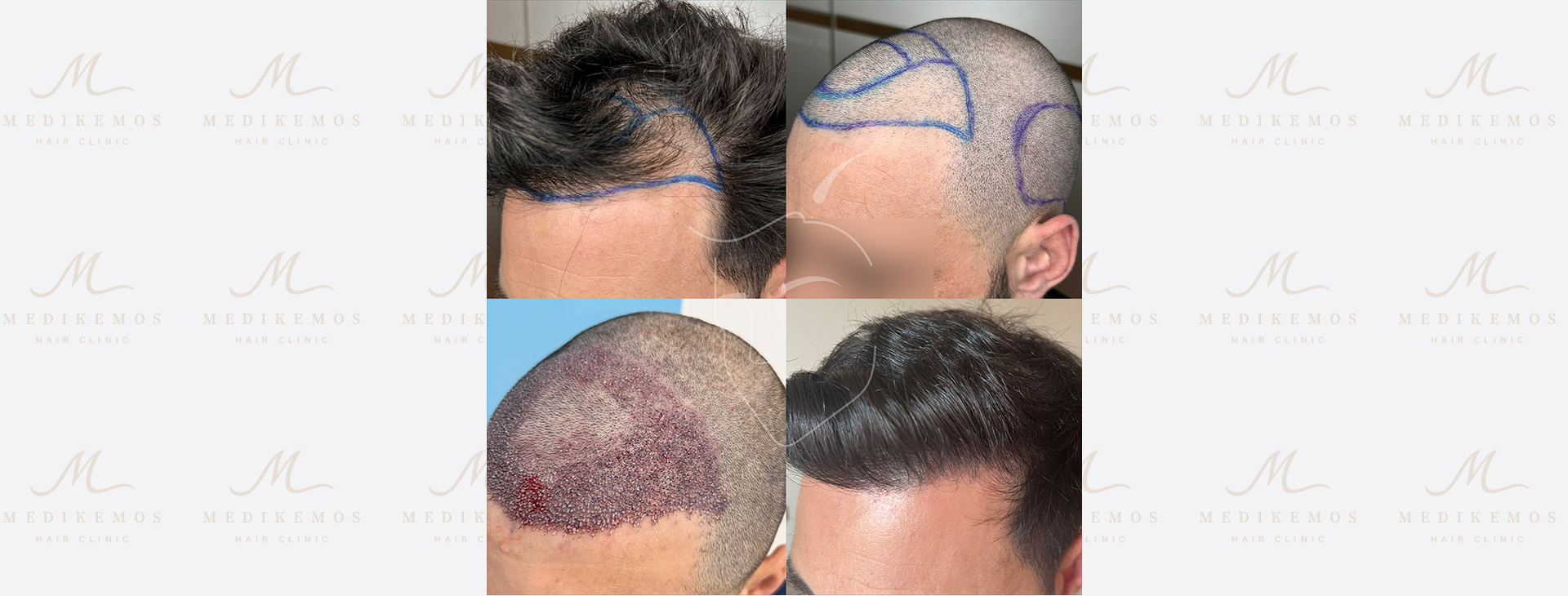
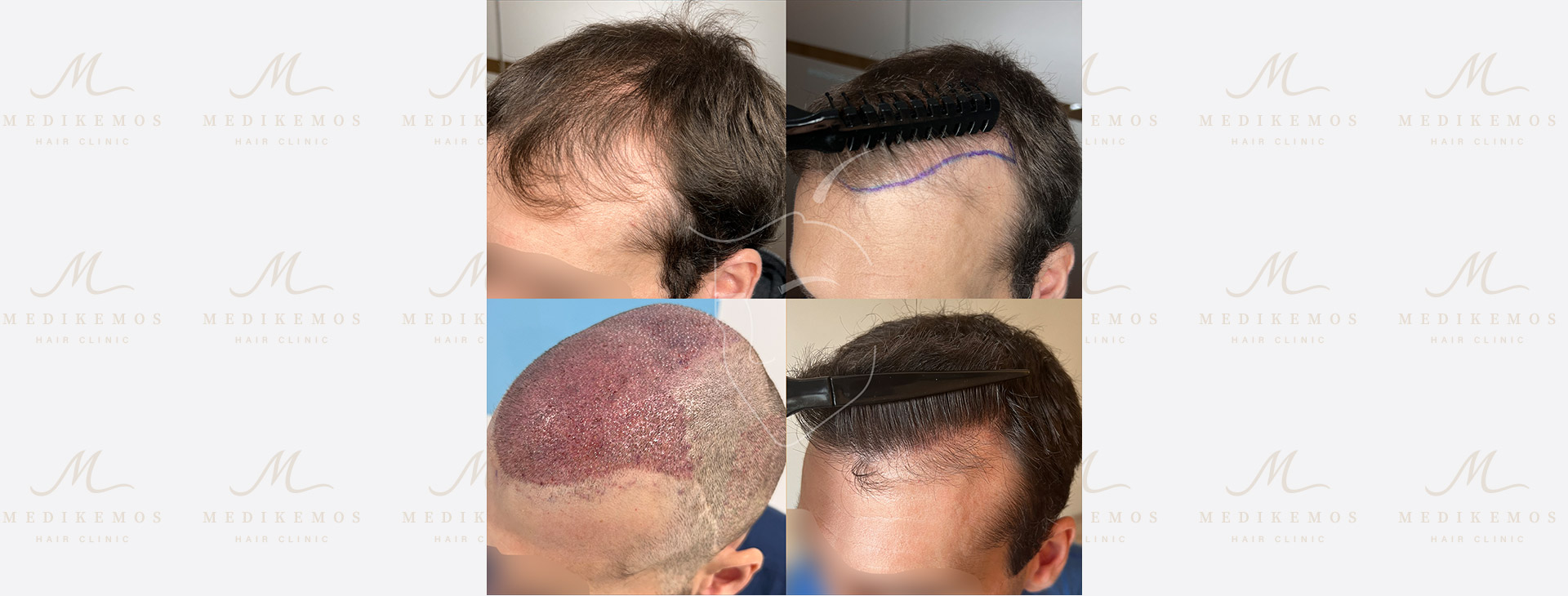
A temporary shedding phase around one month is normal. Patience is essential, as the final result is usually assessed around twelve months.
9. Choose a clinic that supports you over time
A good result does not stop at the procedure. It is also built during the following months.
Make sure that follow-up is planned at key stages and that the medical team remains reachable when needed.
In brief
